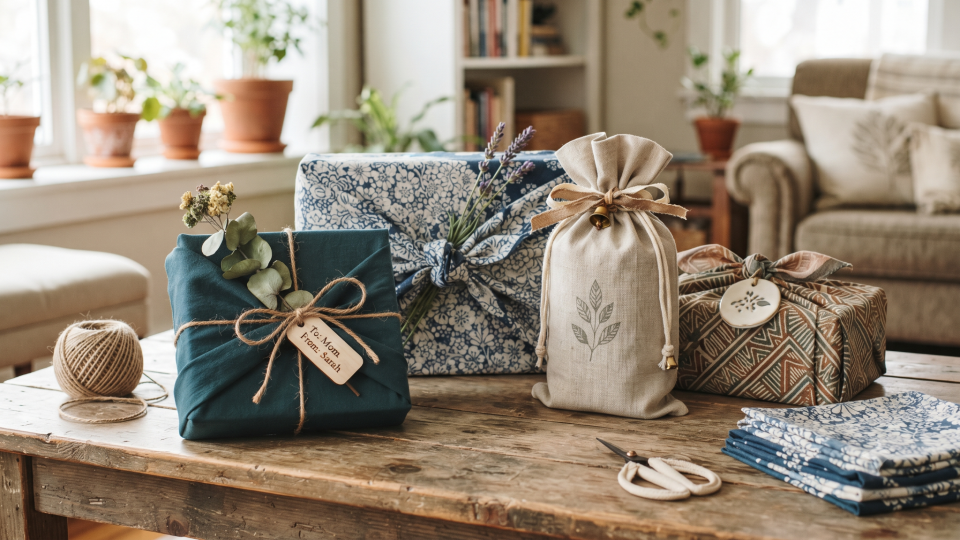
A carefully wrapped gift can make a birthday, wedding, or holiday feel special. Yet the wrapping often has a much shorter life than the present itself. Paper is torn, ribbons are discarded, and decorative packaging is cleared away within minutes.
Reusable gift wrapping offers a way to keep the presentation while extending the useful life of the materials. A fabric square can wrap several different gifts, a sturdy bag can circulate between friends, and a well-made box can become part of an annual family tradition.
However, buying something described as reusable does not guarantee that it will be used again. Size, durability, storage, and the recipient’s expectations all affect what happens after the gift is opened. A sensible approach starts with materials you already have and a clear plan for their next use.
This guide explains how to choose reusable gift wrapping, compare the main options, estimate costs, and make reuse convenient for both the giver and the recipient.
The Short Answer
Reusable gift wrapping can reduce purchases of disposable packaging when cloths, bags, and boxes are kept in circulation. Start with clean, suitable materials you already own, then buy only what fills a practical gap. The best choice is a wrap that fits the gift, survives handling, and has an agreed next use after opening.
What Is Reusable Gift Wrapping?
Reusable gift wrapping is packaging intended to present a gift more than once, or to serve a useful purpose after the gift is opened.
Common options include fabric squares, scarves, drawstring bags, sturdy paper gift bags, rigid boxes, tins, and baskets. Not every option needs to be purchased as a specialist product. An existing scarf or undamaged gift bag may be enough.
EPA encourages people to reuse gift bags, boxes, and tissue paper. Its guidance also notes that coated wrapping paper can be difficult to recycle. US EPA
Designed for Reuse Versus Actually Reused
A cloth can be strong enough for many wrapping occasions but still be put away and forgotten. A modest paper bag might be passed between friends several times.
These examples show why the next use matters as much as the product description. Before choosing a wrap, decide whether it will stay with the recipient, return to you, or circulate within a group.
Reusable Wrapping Can Be Part of the Gift
A tea towel wrapped around a kitchen present can become a useful household item. A scarf may suit a recipient who would enjoy wearing it.
This works best when the recipient wants the additional item. Buying an unnecessary accessory merely to replace wrapping paper can add cost and clutter.
Is Reusable Gift Wrapping Always Better for the Environment?
No. The potential benefit depends on what you use, what it replaces, and whether it remains in service.
A new cloth or box requires materials and manufacturing. Repeated use creates opportunities to avoid future disposable purchases, but there is no universal number of uses that proves every reusable wrap has a lower environmental footprint.
Start With Existing Materials
Check your cupboards before shopping. Look for clean scarves, spare fabric, sound boxes, gift bags, and ribbons from previous occasions.
Choose something that is available for this purpose rather than cutting up an item you still need. Reuse should not create another replacement purchase.
For example, a scarf you no longer wear could become a wrapping cloth. A sturdy box from an earlier gift could hold another present. These options let you experiment without immediately buying a new wrapping collection.
Separate Waste Reduction From Carbon Claims
If you wrap six gifts with the same cloth, you can record six wrapping occasions. If this replaces six planned purchases of wrapping paper, that is a practical observation about avoided purchases.
It does not establish a precise carbon saving. Comparing full environmental impacts would require information about material production, manufacturing, transportation, cleaning, and disposal.
Be cautious with product descriptions that promise a fixed environmental benefit without explaining the comparison.
Avoid Unnecessary Accessories
A reusable wrap does not need a new ribbon, disposable tag, and decorative charm at every use. Keep the presentation simple enough that the system remains reusable as a whole.
Use removable tags and decorations that you can store with the wrap. A handwritten card tucked under a knot may be sufficient.
What Is Furoshiki, and How Can It Be Used for Gifts?
Furoshiki is a Japanese wrapping cloth tradition used to wrap and carry items. Japan’s Ministry of the Environment provides a guide showing wrapping methods for different shapes. 環境省
For beginners, a simple boxed present is easier to practice on than an unstable or fragile object.
A Simple Cloth-Wrap Method
- Spread a suitable square cloth flat, with a corner pointing toward you.
- Place a small, sturdy boxed gift in the center.
- Bring one corner over the box and tuck the excess neatly.
- Fold the opposite corner across it.
- Bring the remaining two corners together.
- Tie a secure knot without crushing the box.
- Check that the package stays closed during ordinary handling.
This is a basic practice method, not a substitute for protective packaging. Carry the gift from underneath, particularly if it is heavy or fragile.
Choose the Size by Testing the Gift
Width, height, and knot allowance all matter. A cloth that covers a flat book may not cover a tall box with the same base dimensions.
Use spare fabric to test the fit before ordering. The corners should meet comfortably without forcing the knot or producing excessive loose fabric.
If you frequently give similarly sized gifts, keep a note of which cloth works for each shape. This makes future wrapping quicker and reduces unnecessary purchases.
Check the Recipient’s Preferences
A cloth wrap can be an enjoyable part of the presentation, but explain what should happen to it afterward.
If it is a gift, say so. If it belongs to a family wrapping collection, make that clear before the recipient assumes they should keep it.
How Do You Choose Fabric That Is Practical for Repeated Use?
Look for a fabric that folds neatly, has sound edges, and can be cared for in a way you will realistically maintain.
The fiber name alone does not establish durability or overall environmental performance.
Check Edges and Seams
Examine hems for loose stitching and fraying. If you are adapting spare fabric, finish the edges in a suitable way so the cloth can be handled repeatedly.
A small repair may extend use, but choose a manageable project rather than building up unfinished wrapping supplies.
For purchased fabric bags, inspect the stitching around the opening and base. These areas need to withstand repeated filling and handling.
Test the Feel and Thickness
Very stiff material can form bulky knots. Thin material may reveal the gift beneath it. Slippery material may be harder for a beginner to secure.
Practice with the actual cloth. For drawstring bags, check seams and closure performance rather than focusing only on fabric thickness.
A wrap should close comfortably without requiring excessive force or stretching.
Read Care Instructions
Consider whether the wrap needs ironing or specialist cleaning and whether that fits your routine.
Inspect it after use. Clean it when needed according to its care instructions, and store it only when fully dry.
A beautiful fabric that is inconvenient to maintain may be used less often than a simpler option.
Choose Patterns That Suit Several Occasions
A neutral design may work for birthdays, weddings, and seasonal celebrations. Highly specific patterns can be appealing, but they may spend longer in storage.
Adapt the occasion with a removable tag rather than maintaining a separate wrapping collection for every event.
Can Gift Bags and Boxes Be Good Reusable Options?
Yes. Bags and boxes can be convenient when folding cloth is impractical or the gift has an awkward shape.
Gift Bags
Inspect the handles, base, and folds before reusing a bag. Avoid putting a heavy present into a bag that has weakened or torn.
Remove old tags carefully and attach new ones without damaging the bag. Keep clean tissue paper only if it is still suitable for presentation.
Store bags flat where possible so they are easy to find and do not become crushed.
Fabric Drawstring Bags
These can be quick to use for soft or irregular gifts. Check that the opening is wide enough and the closure works without straining the seams.
The recipient may find another use for the bag, but do not assume that every pouch will be wanted or kept.
A practical size and simple design can make future use easier.
Rigid Boxes
A sturdy box offers structure and can be reused for future gifts. Consider storage space as well as appearance.
Choose a box that fits reasonably closely. Oversized packaging can lead to extra fillers and make storage inconvenient.
For recurring family exchanges, removable labels can help the same box move between different recipients.
Tins and Baskets
These may work when the recipient already has a practical use for them. Check their condition and avoid presenting an unwanted storage item as a benefit.
For loose food, use packaging intended for food contact rather than assuming a decorative container is suitable.
How Can You Make Sure the Wrapping Gets Used Again?
Make the next step easy and explicit.
Let the Recipient Keep It
Add a short note explaining that the wrap is theirs to keep, use, or pass on.
For example:
This cloth is part of your gift. You are welcome to use it again or wrap a future present with it.
This avoids uncertainty about whether the wrapping needs to be returned.
Keep a Shared Family Collection
For celebrations at home, collect the wrapping materials after gifts are opened. Have a designated place for cloths, boxes, and tags.
Explain the arrangement beforehand so collecting them does not feel like reclaiming part of the gift.
Keep the collection organized by size or format so people can use it without searching through a large pile.
Invite People to Pass the Wrapping On
A reusable bag can circulate without returning to its original owner. A simple tag might say:
Please reuse this bag for another gift if it is useful to you.
Keep the invitation friendly. A gift should not create an obligation to store or return something inconvenient.
Arrange Returns Only When Practical
Returning a wrap works best when people meet regularly. Requiring a separate journey or postal return can add cost and inconvenience.
For distant recipients, choose wrapping they can reasonably keep or reuse themselves.
Does Reusable Gift Wrapping Save Money?
It can, especially when you use existing supplies, but savings depend on purchase costs and actual reuse.
Calculate Cost per Wrapping Occasion
Divide the cost of the reusable item by the number of times it is used.
For example, a hypothetical cloth costing $8 and used eight times has a purchase cost of $1 per wrapping occasion.
This calculation excludes cleaning, repairs, accessories, and transportation.
Compare Complete Costs
Suppose disposable wrapping for a similar gift would cost $1.50 each time. Under those assumptions, an $8 cloth has a lower cumulative purchase cost on its sixth use: six disposable occasions cost $9.
This is an illustration, not a market-price claim. The result changes if you already have paper, use less per gift, or give the cloth away after one occasion.
If a wrap becomes part of the gift, treat its cost as part of that gift rather than assuming you will recover the expense through your own repeated use.
Build a Small Collection
Start with the sizes you frequently need. Add another item only when your existing collection cannot handle a gift.
A large matching set may be attractive, but unused wraps do not contribute to savings.
Quick Comparison
Fabric Squares
Fabric squares are flexible and can suit different gift shapes. They appeal to people who enjoy folding and tying, although selecting the right size takes practice.
Choose them when you can store the cloth flat and have a realistic plan for reuse.
Fabric Gift Bags
Fabric bags are quick to fill and may be convenient for soft or irregular presents. Their usefulness depends on the opening, seams, closure, and size.
Choose them when ease of wrapping matters more than achieving a tailored fold.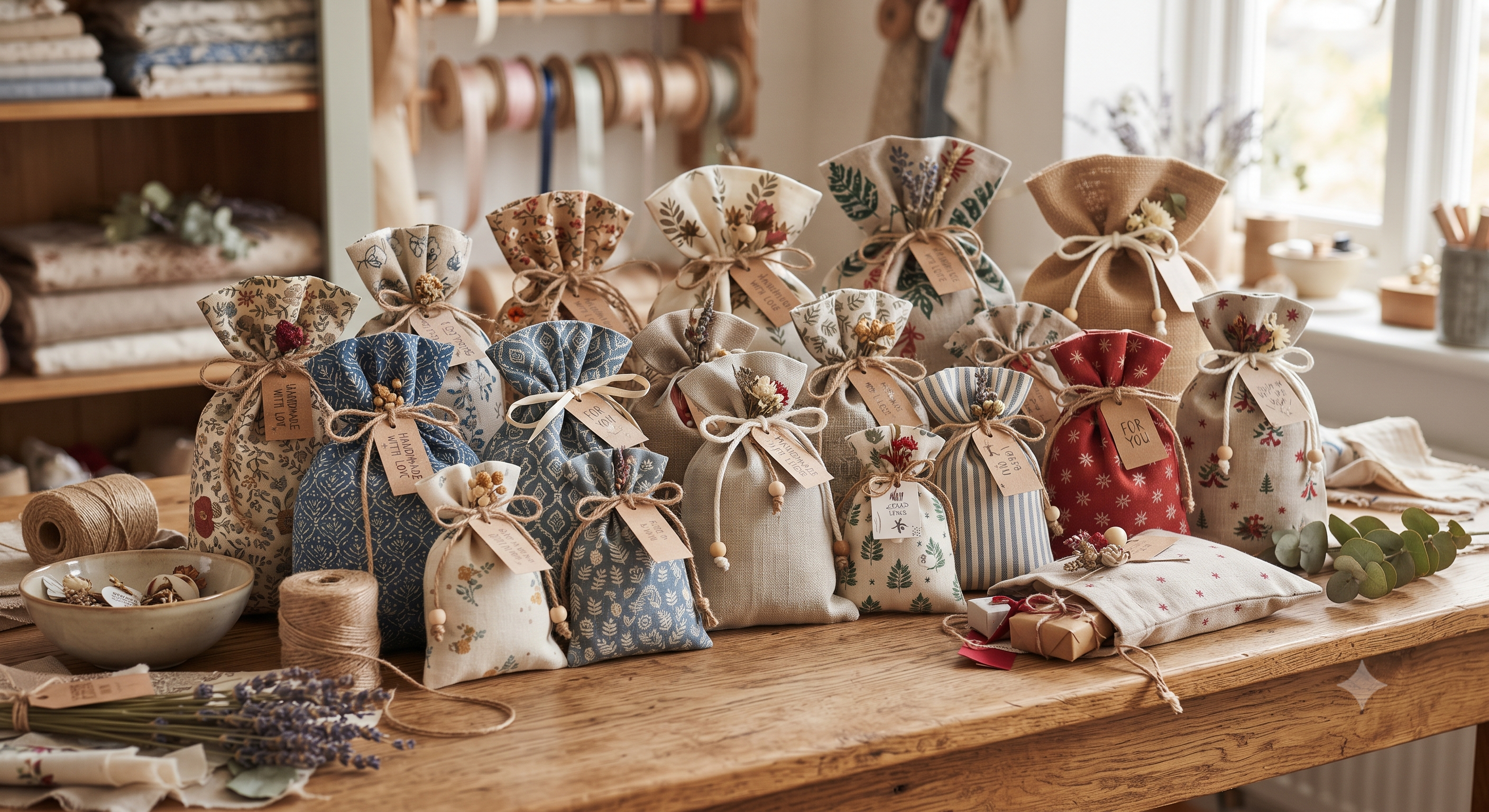
Reused Paper Gift Bags
Existing paper bags offer a simple starting point. They are familiar, easy to label, and require little preparation.
Their remaining strength limits what they can hold. Inspect them each time and reserve weaker bags for lightweight items.
Rigid Gift Boxes
Boxes provide structure and a neat presentation with little wrapping effort. They need more storage room, especially if they do not fold flat.
Choose them for recurring exchanges where the box will be retained, or when the recipient wants the box itself.
Reused Paper
Undamaged paper can serve another wrapping occasion without adding a new item to your collection. It may be particularly practical for distant recipients.
Inspect its condition and avoid assuming that every type can be recycled after use.
New Recycled-Content Paper
This can suit occasions where reusable materials are impractical. Recycled content describes what the paper is made from; it does not guarantee acceptance by a local recycling service.
Choose simple finishes and verify disposal options.
How to Choose
- Check what you already own. Begin with suitable materials in good condition.
- Measure the gift. Include height, closure space, and any protective packaging.
- Consider the recipient. Decide whether they will keep, return, or pass on the wrap.
- Inspect durability. Check hems, seams, handles, bases, and closures.
- Keep care manageable. Choose materials you can maintain without a burdensome routine.
- Plan storage. Buy only what fits your available space.
- Use removable decorations. Avoid damaging reusable surfaces.
- Consider transportation. Presentation wrapping may need separate shipping protection.
- Avoid unsupported claims. Prefer clear material and care information over vague promises.
- Start small. Expand after you know which formats you actually use.
Important Safety Considerations
Keep Cords and Small Decorations Away From Young Children
Remove wrapping accessories after opening. Keep ribbons, drawstrings, and small decorative pieces away from unsupervised young children.
CPSC’s guidance identifies strangulation hazards associated with strings and straps on toys; applying caution to loose wrapping cords is a sensible precaution. CPSC.gov
Protect Fragile Gifts Separately
Cloth presentation wrapping does not replace cushioning, a rigid container, or appropriate shipping packaging.
Support heavy gifts from underneath rather than lifting them by a decorative knot, ribbon, or handle.
Use Appropriate Packaging for Food
Do not place loose food directly against an unknown decorative fabric, reused paper, or unsuitable container. Use food-contact packaging appropriate to the food and keep the decorative wrap outside it.
Keep Wrapping Away From Flames
Do not use cloth, paper, ribbons, or tags near candles or other ignition sources.
Remove decorative wrapping before using a candle or any other product that produces heat.
Inspect Reused Materials
Avoid sharp edges, exposed staples, broken handles, or damaged closures. Set aside wrapping that cannot hold the gift safely.
Frequently Asked Questions
Is Reusable Gift Wrapping the Same as Plastic-Free Wrapping?
No. A reusable item may contain synthetic fabric, a coating, or plastic components. Reusable describes intended use; plastic-free describes materials.
Do I Need to Buy a Special Furoshiki Cloth?
Not necessarily. An appropriate existing square cloth may work for a simple gift. Check its size, condition, flexibility, and whether it is available for this purpose.
How Many Times Must a Cloth Be Used to Be Environmentally Better?
There is no universal threshold. A defensible comparison needs details about the cloth, the disposable alternative, manufacturing, cleaning, and actual use.
Should the Recipient Keep the Wrapping?
Agree on this beforehand. It can be part of the gift, part of a shared collection, or something to pass on.
Can Reusable Wrapping Work for Mailed Gifts?
Yes, but it should sit inside appropriate shipping protection where needed. A decorative wrap is not necessarily strong enough for postal handling.
Is Wrapping Paper Recyclable?
Sometimes. Recycle Now’s UK guidance explains that acceptance varies and that foil, glitter, plastic additions, and tape can create problems. Check your local service rather than applying another area’s rules automatically. Recycle Now
Can I Put an Old Wrapping Cloth in Paper Recycling?
No. Fabric is a different material. Check textile collection options and what condition they accept.
Should I Wash a Cloth After Every Gift?
Inspect it and follow its care instructions. Clean it when needed and store it dry; there is no single cleaning schedule suitable for every textile.
What Should I Do With Wrapping I No Longer Need?
Offer usable materials to someone who will use them, repurpose them where practical, or check appropriate local collection options.
Avoid passing damaged or unsuitable packaging to someone else simply to clear storage space.
The Bottom Line
Start with a clean cloth, sound bag, or sturdy box you already own. Choose wrapping that fits the present and decide what happens to it after opening. A small collection that stays in use is a practical foundation for reducing repeated wrapping purchases.
Editorial Sources
- U.S. Environmental Protection Agency — How Do I Recycle Common Recyclables
- Ministry of the Environment, Japan — How to Use Furoshiki
- Recycle Now — Wrapping Paper
- U.S. Consumer Product Safety Commission — Strings and Straps on Toys Can Strangle Young Children