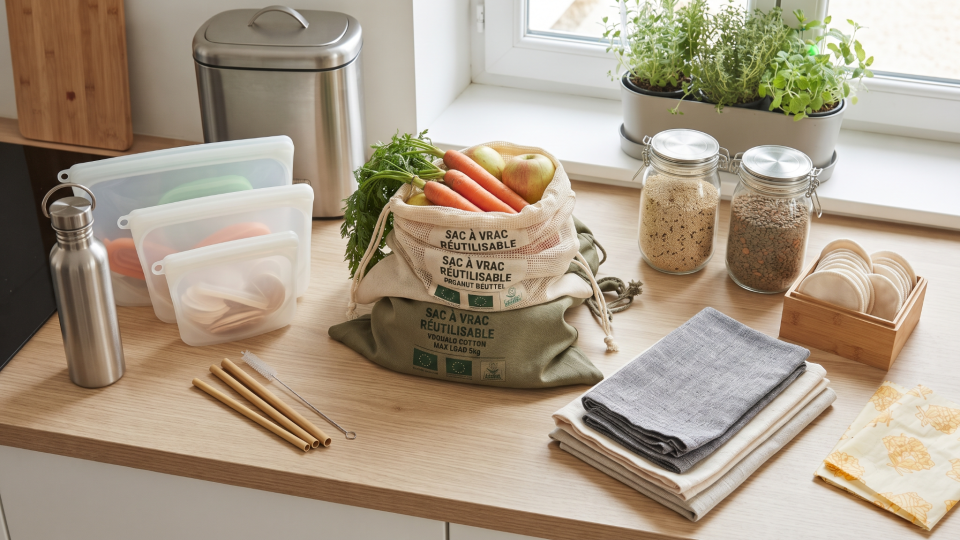
The kitchen is a practical place to begin reducing household waste. Food preparation, grocery shopping, packed lunches, and cleaning create repeated opportunities to change everyday habits. You do not need to replace every container or buy a complete collection of sustainable kitchen accessories to get started.
A more useful approach is to identify what you regularly throw away and understand why. Perhaps you use a disposable bag for lunch each morning, reach for plastic wrap whenever you store leftovers, or buy ingredients that remain hidden in the refrigerator until you discard them.
Each problem calls for a different solution. A reusable container might help with packed lunches. A clearer storage system might make leftovers easier to find. Keeping shopping bags near the door might prevent another purchase.
This guide explains how to choose reusable kitchen products, organize them for regular use, and build habits that make waste reduction manageable.
The Short Answer
Reduce kitchen waste by focusing on disposable items you use frequently and food you regularly leave uneaten. Start with containers, bags, and other suitable items you already own, then buy reusable alternatives only when they solve a specific problem. Choose products that are easy to clean, store, and use in your normal routine.
Where Should You Start When Reducing Kitchen Waste?
Start with a short observation period before purchasing anything.
For one week, pay attention to what leaves your kitchen as waste. You do not need a detailed spreadsheet or a perfect inventory. A few notes on your phone can reveal recurring patterns.
Record items such as:
- Bags used for packed lunches or snacks.
- Wrap used to cover leftovers.
- Paper towels used for routine cleaning.
- Takeaway containers and utensils.
- Food discarded because it was forgotten.
- Packaging from frequently purchased products.
Next to each item, note why it was used or discarded.
For example, “used plastic wrap because no container was available” points to a different problem from “used plastic wrap because all the container lids were missing.” The first may require a suitable container. The second may require better organization.
Choose one or two repeated problems to address first. This keeps the change manageable and gives you time to evaluate whether a new habit works.
EPA’s consumer guidance encourages considering reuse and other alternatives before buying new products. In a kitchen, that makes an inventory of existing items a useful first step. www.epa.gov
Which Reusable Kitchen Products Are Worth Considering First?
The best starting products are those that fit tasks you perform regularly. Your priorities will depend on whether you cook often, carry lunch, shop in person, or mainly prepare food for one person.
Food Containers for Leftovers and Packed Meals
A suitable food container can serve several purposes: storing prepared ingredients, keeping leftovers together, and carrying a meal outside the home.
Before buying, check the containers already in your cupboards. Match each base with its lid and assess whether it remains suitable for its intended use.
Then identify any gaps. You may need a compact container for snacks, a leak-resistant option for transport, or a larger container for cooked meals. Buying for a specific gap is easier than choosing a large set based on appearance.
Look for:
- Sizes that fit your usual portions.
- Lids you can open and close comfortably.
- Clear cleaning instructions.
- Compatibility with your intended storage and reheating methods.
- Replacement lids or seals, where available.
- A shape that fits your refrigerator, cupboard, or lunch bag.
Do not assume one container is suitable for every task. Follow the manufacturer’s instructions for freezing, microwaving, hot food, and dishwasher cleaning.
Reusable Bags for Food Storage
Reusable food-storage bags may suit snacks, prepared ingredients, or packed lunches when their instructions allow those uses.
Before committing to a set, try a small number. Assess whether you can fill, seal, clean, and dry them conveniently.
Pay particular attention to corners, closures, and the opening. A bag that takes too much effort to clean may be less practical for you than a simple container.
Ask yourself what disposable item it would replace. If you already store most food in containers, additional bags may serve little purpose.
Shopping Bags You Can Keep Accessible
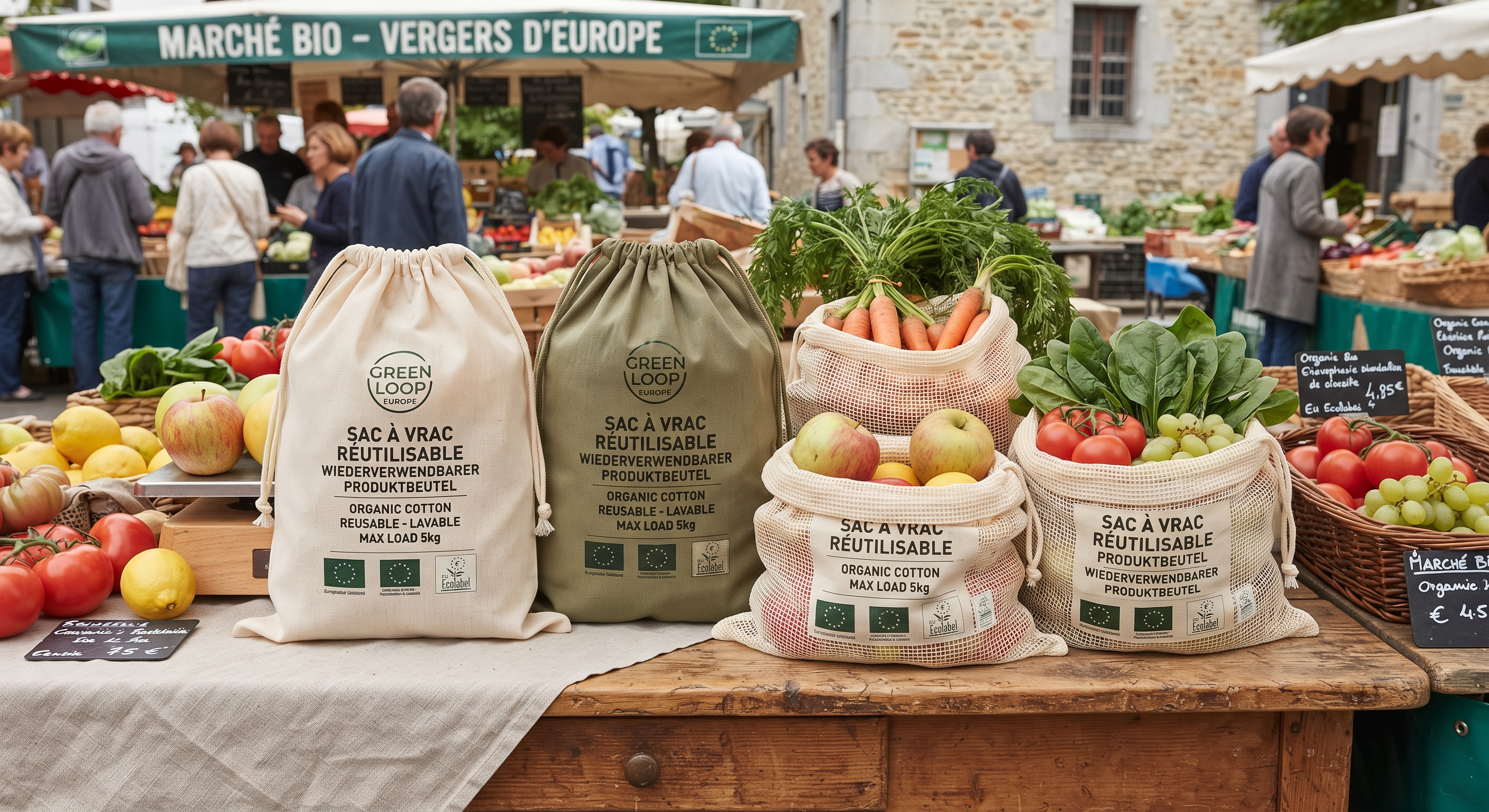
A reusable shopping bag is useful only when you have it with you.
Check your existing collection before buying more. Choose a manageable number and give them a permanent location: beside the door, inside your everyday bag, or in another place connected to your shopping routine.
Consider carrying comfort, capacity, strength, and care instructions. A compact bag may suit unplanned shopping, while a larger bag may suit a weekly grocery trip.
If you frequently forget your bags, changing their location may solve the problem more effectively than purchasing another design.
Washable Cloths for Appropriate Cleaning Tasks
Washable cloths can be considered for tasks such as wiping suitable surfaces or drying hands, depending on your household routine.
The practical question is whether you have a reliable system for separating used cloths, washing them, and letting them dry. Buying a large stack without a cleaning routine can create another maintenance problem.
Assign cloths to clear purposes where helpful, and follow appropriate cleaning guidance. For tasks involving hygiene risks, use the method recommended for that situation rather than assuming every reusable cloth is interchangeable.
How Can You Choose Products That Fit Your Routine?
Think through the full cycle of use before making a purchase.
Imagine taking the product out of storage, filling or using it, cleaning it, drying it, and putting it away. If any step seems awkward, investigate it further.
Consider Where You Will Use It
A container kept in the refrigerator has different requirements from one carried on public transport.
For transport, weight and leak resistance may matter. For refrigerator storage, shape and visibility may be more important. For limited cupboard space, nesting or stacking may help.
Write down your essential requirements before comparing products. This prevents attractive but irrelevant features from driving the decision.
Check Whether It Is Easy to Clean
Examine lids, seals, corners, and removable components.
Can you reach all areas that need cleaning? Does the product require a brush or another accessory? Is it compatible with your preferred cleaning method?
A product should have instructions you can realistically follow. If you know you will rarely hand-wash a complicated item, choose accordingly.
Look for Useful Sizes
A variety pack may include sizes you never use.
Consider the food you regularly store: a sandwich, a portion of cooked rice, chopped vegetables, or a family meal. Choose around those tasks rather than trying to cover every possible situation.
If possible, begin with one frequently needed size and expand after you understand what works.
Assess Replacement Parts
Lids and seals can determine whether an otherwise usable container stays in service.
Check whether replacement components are available and whether the manufacturer clearly identifies compatible models. Also consider availability in your location and the cost of ordering a small part.
Keep the Quantity Manageable
The right quantity supports your routine without overwhelming your storage or cleaning capacity.
A person packing lunch daily may need enough containers to accommodate washing and preparation. Someone who rarely carries food may need only one.
Your actual schedule should determine the number.
Can Better Organization Help You Use Reusable Products More Often?
Yes. Organization can remove small obstacles that cause you to fall back on disposable items.
You do not need a new storage system. Begin by making existing items easier to find and use.
Keep Lids and Containers Together
Match containers with their lids and remove unsuitable or damaged pieces according to relevant instructions.
Choose a storage arrangement that lets you find a complete container quickly. This might mean storing some with lids attached or placing compatible lids in a designated section.
The goal is convenience, not a perfectly styled cupboard.
Give Frequently Used Items the Easiest Access
Keep everyday lunch containers and food-storage items within reach.
Reserve less accessible spaces for occasional items. If a reusable option is behind several unrelated objects, using it becomes an extra task.
Create a Place for Used Items
Decide where used bags, cloths, and containers go before cleaning.
A clear routine helps prevent them from being left in lunch bags or mixed with ready-to-use items. Include drying and storage in the same process.
Make Reusable Items Part of Preparation
If you pack lunch, prepare the container while putting dinner away. If you shop regularly, return your bags to their usual place after unpacking.
Linking these actions to an existing task can make them easier to remember.
How Can Reusable Containers Support Better Food Management?
Containers help most when they are part of a visible, understandable storage system.
Simply transferring food into a new container does not guarantee you will use it. You also need to know what it contains, when it was stored, and how it fits into upcoming meals.
Make Contents Easy to Identify
Use a suitable label or another practical method to identify contents when they are not obvious.
Include relevant dates where useful, while following food-specific storage guidance. A label supports organization; it does not establish that food remains safe indefinitely.
Keep Food You Intend to Use Soon Visible
Consider a designated area for food you plan to use next. Keep the arrangement compatible with appropriate refrigerator storage practices.
The purpose is to reduce the chance of forgetting prepared food behind newer purchases.
Plan a Use for Leftovers
Before storing a meal, think about when you expect to eat it.
Will it become tomorrow’s lunch? Can it be used in another dish? Should it be stored according to suitable freezing guidance instead?
Having a plan can make the container’s contents more likely to return to your routine.
Buy Around What You Have
Check your refrigerator, freezer, and cupboards before shopping.
If you already have ingredients for a meal, add only what is missing. This connects shopping with storage rather than treating them as separate activities.
Quick Comparison
Reusable kitchen options serve different purposes. Compare them according to the task you need them to perform.
Rigid Containers and Flexible Storage Bags
Rigid containers may be practical for prepared meals, delicate foods, and items you want to stack. They can also offer a wide opening for filling and cleaning.
Flexible bags may suit particular snacks or ingredients and can take a different amount of storage space when empty. Their closures and corners deserve attention during cleaning.
Choose based on the foods you store, the instructions provided, and your maintenance preferences.
One Multipurpose Item and Several Specialized Items
A multipurpose container may simplify storage and cleaning if it performs your regular tasks well.
Specialized items may be useful when you have a repeated need that ordinary containers do not meet. However, each additional item requires storage and maintenance.
Begin with versatile options and add specialized products only when a clear need appears.
A Small Set and a Large Matching Collection
A small set lets you evaluate usability before making a larger commitment. You can learn which sizes and features you actually prefer.
A larger collection may suit a household with an established routine and predictable needs. Check whether all included pieces would be useful rather than judging value by the number of items.
Reusing an Existing Item and Buying a New Alternative
An existing item may already solve the problem if it remains safe and appropriate for its intended use.
A new product may be justified when the current option lacks an essential feature, is damaged, or cannot serve the task properly. Define that reason before purchasing.
How to Choose
Use the following steps when deciding whether a reusable kitchen product belongs in your home:
- Identify the repeated task. Choose a problem you encounter often.
- Check your current supplies. Look for a suitable item you already own.
- Define essential features. Focus on size, cleaning, storage, transport, and intended use.
- Read the instructions. Confirm that the product supports the task you have in mind.
- Investigate environmental claims. Look for specific evidence and clear limitations.
- Check maintenance needs. Include accessories, replacement parts, washing, and drying.
- Try a small quantity. Evaluate the product in your routine before buying more.
- Review the result. Ask whether it actually replaced a disposable item or improved food management.
Treat claims about materials separately from performance. A recycled-content claim, for example, does not tell you whether a container will leak or be easy to clean. Broad environmental claims should also be supported with specific information rather than accepted at face value. www.ftc.gov
How Can You Build a Kitchen Waste-Reduction Routine over Four Weeks?
A gradual approach gives you time to test changes and adjust them.
Week One: Observe and Organize
Note recurring waste and inspect the products you already own.
Match lids, make frequently used containers accessible, and select one problem to address. Avoid buying a large collection during this stage.
Week Two: Introduce One Change
Use an existing item or try one suitable alternative.
For example, pack a snack in a container, return shopping bags to a convenient location, or establish a routine for suitable washable cloths.
Notice what makes the change easy or difficult.
Week Three: Improve Food Visibility
Review how you store leftovers and prepared ingredients.
Make contents easier to identify, check what you have before shopping, and plan a meal around food that needs using according to appropriate storage guidance.
Week Four: Evaluate and Adjust
Ask which changes you maintained and why.
If a product remained unused, identify the obstacle. It may be unsuitable, difficult to clean, stored in the wrong place, or unnecessary.
Continue the changes that work. Make another purchase only if your experience reveals a clear gap.
Important Safety Considerations
Waste reduction should fit around safe food handling and appropriate cleaning practices.
Use Containers for Their Intended Purpose
Check the manufacturer’s instructions for food contact, temperatures, freezing, microwaving, and dishwasher use.
Do not assume that an item suitable for one purpose is suitable for every other purpose. This is especially relevant when repurposing containers.
Follow Food-Storage Guidance
A reusable container does not determine how long food remains safe.
Follow reliable guidance for the particular food, including cooling, refrigeration, freezing, and reheating where relevant. Dates and labels help organization but do not replace those requirements.
Clean and Dry Items as Directed
Pay attention to seals, lids, corners, and other components that need separate care.
Choose products whose cleaning requirements you can maintain consistently. Follow manufacturer guidance when an item is damaged or no longer performs as intended.
Keep Cleaning Tasks Appropriate
Use suitable methods for the surface and type of contamination involved.
Maintain a clear system for used cloths and cleaning tools. Do not assume an environmentally marketed product or a reusable accessory removes the need for hygiene precautions.
Check Composting Rules
If you buy compostable liners or packaging, confirm that your intended system accepts them.
Some claims require particular processing conditions. The product label and local service instructions should guide your decision. www.ftc.gov
Frequently Asked Questions
What Is the Best Reusable Kitchen Product for a Beginner?
Start with the product that addresses your most frequent disposable use.
For someone who packs lunch daily, that might be a suitable food container. For someone who often shops without a bag, the first improvement may be keeping an existing bag accessible.
Do I Need to Buy a Complete Sustainable Kitchen Set?
No. Begin by checking what you own and identifying specific gaps.
A complete set may include items that do not fit your cooking, storage, or cleaning habits. A gradual approach lets you choose based on experience.
Are Reusable Food-Storage Bags Better Than Containers?
They serve different tasks, and suitability depends on the product.
Compare the foods you store, cleaning access, sealing, portability, and instructions. You may find that one type covers most of your needs.
What If Reusable Items Are Difficult to Clean?
Review whether the design fits your routine.
A simpler shape or wider opening may be more practical. If you already own the item, consult its cleaning instructions and determine whether you can maintain it appropriately before continuing use.
How Many Containers Should I Own?
Choose enough for your ordinary preparation and washing schedule.
There is no universal ideal number. Consider how often you cook, how many people use them, and how quickly used containers return to service.
Should I Throw Away Existing Plastic Containers?
Assess their condition and follow relevant instructions for intended use.
A new environmental label alone is not a reason to discard a functioning item. Replace containers when there is a practical or safety reason, and investigate appropriate disposal options locally.
Can I Reuse Glass Jars for Everything?
Check suitability for the intended task.
A jar’s original use does not establish that it is appropriate for freezing, reheating, hot liquids, or transport. Follow reliable product-specific guidance.
How Can I Reduce Waste on a Small Budget?
Begin with organization and existing possessions.
Make containers easier to find, carry bags you already own, check ingredients before shopping, and plan uses for leftovers. Purchase additional items when they solve a repeated problem you cannot address conveniently another way.
What If My Family Does Not Want a Complicated Routine?
Keep the change simple.
Choose one accessible place for shopping bags, one clear storage arrangement for containers, or one agreed routine for leftovers. Adjust around the household’s needs rather than introducing several new rules at once.
How Will I Know Whether the Changes Are Working?
Review the specific problem you selected.
Are you using fewer disposable bags for lunch? Are your shopping bags returning to service? Are you finding and using stored food more consistently?
These observations are useful measures of your routine. They do not, by themselves, establish a precise environmental impact.
The Bottom Line
Choose one recurring source of kitchen waste and address it with the simplest suitable change. Make the reusable option easy to find, easy to maintain, and compatible with the task.
Start this week by checking your containers, matching their lids, and choosing one everyday use for them. Let that experience guide what you change next.