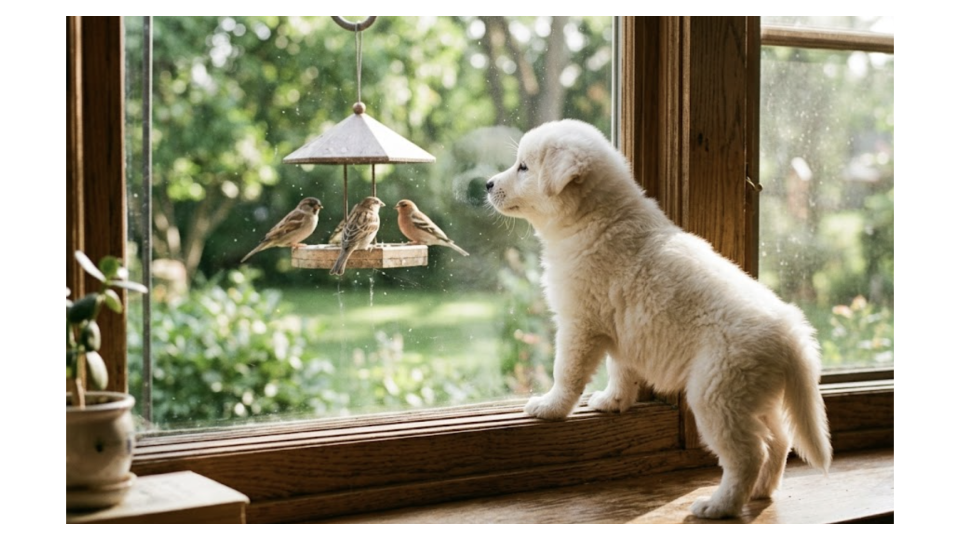
A home can look perfectly safe to us and still be full of temptations for a curious dog or cat.
A charging cable may look like a chew toy. An open cabinet may lead to cleaning products. A small object under the couch can become something to swallow. Even an ordinary houseplant may be unsafe for a pet that decides to take a bite.
Pet-proofing does not mean removing everything from your home or trying to anticipate every possible accident. It means reducing avoidable risks, controlling access to unsafe areas, and creating an environment where your pet can explore more safely.
This room-by-room guide explains how to pet-proof your home before a new dog or cat arrives—and what to check again as your pet grows, becomes more confident, or develops new habits.
This article provides general safety information and is not a substitute for veterinary advice. Contact a veterinarian promptly if your pet is injured, appears ill, or may have swallowed a harmful substance.
What Does Pet-Proofing Mean?
Pet-proofing is the process of identifying and reducing household risks that could harm an animal.
It usually involves:
- Storing food, medication, chemicals, and small objects securely.
- Blocking access to unsafe rooms or spaces.
- Protecting electrical cords and fragile items.
- Checking plants for toxicity.
- Securing windows, doors, balconies, fences, and gates.
- Choosing equipment appropriate for the pet’s size and behavior.
- Creating a safe area where the pet can rest without constant supervision.
- Preparing for emergencies before they happen.
The right precautions depend on the animal.
A young puppy may chew almost anything within reach. A cat may climb onto shelves or squeeze through an opening that seems too small. A senior pet may need better traction and easier access to food, water, and resting areas.
Pet-proofing should therefore be treated as an ongoing process, not a one-time project.
Start by Looking at Your Home From Your Pet’s Level
Before moving anything, walk slowly through your home and look at each room from the animal’s perspective.
For a dog, pay attention to objects near the floor, food on low tables, trash cans, shoes, cords, and anything within reach of the dog’s mouth.
For a cat, remember to look up as well as down. Cats may reach counters, shelves, windowsills, cabinets, hanging cords, and the tops of appliances.
Ask yourself:
- Can the pet chew this?
- Can the pet swallow this?
- Can the pet climb onto or knock this over?
- Can the pet become trapped behind or inside it?
- Can the pet open this cabinet, door, or trash can?
- Could this item contain a harmful chemical, food, or medication?
- Could the pet fall or escape from this area?
- Is there a safer place to store it?
Do not assume that an item is safe simply because a previous pet ignored it. Animals have different habits, abilities, and levels of curiosity.
Create a Safe Area First
A new pet does not need immediate access to every room.
Prepare a smaller area where the animal can become familiar with the household while you learn how it behaves. Depending on the pet, this could be a quiet room, a gated section of the home, an exercise pen, or an appropriately introduced crate.
The area should include:
- Fresh water.
- Suitable food at scheduled times.
- Comfortable, washable bedding.
- A litter box or access to an appropriate toilet area.
- A safe hiding or resting place.
- A few appropriately sized toys.
- Enough space to stand, turn around, stretch, and rest comfortably.
- A secure carrier or crate when appropriate.
Remove cords, medication, chemicals, fragile objects, small items, plastic bags, and anything the pet may chew or swallow.
This area is not a substitute for exercise, interaction, training, or supervision. It is a controlled starting point that allows your pet to adjust without being overwhelmed by the entire home.
For additional preparation, see our first-time pet owner checklist.
How to Pet-Proof the Kitchen
The kitchen deserves special attention because it combines food, heat, sharp objects, cleaning products, trash, and appliances.
Secure human food
Keep food inside closed cabinets, the refrigerator, or containers your pet cannot open.
Do not assume that food is safe for an animal because it is safe for people. The ASPCA identifies several foods and ingredients that can cause serious problems for pets, including chocolate, coffee and caffeine, alcohol, raw yeast dough, grapes and raisins, onions, garlic, chives, macadamia nuts, and products containing xylitol.
This is not a complete list, and the level of risk may depend on the species, product, and amount consumed. Review the ASPCA’s foods to avoid feeding pets and ask your veterinarian before offering unfamiliar human foods.
Kitchen precautions include:
- Do not leave food unattended on counters or low tables.
- Put grocery bags away promptly.
- Store baking ingredients securely.
- Keep gum, candy, supplements, and snack foods out of reach.
- Clean spills and dropped food immediately.
- Make sure children know not to feed the pet without permission.
- Keep pet food separate from household chemicals.
Use a secure trash can
Trash may contain spoiled food, wrappers, bones, string, packaging, coffee grounds, cleaning residue, or other unsafe materials.
Use a trash can with a lid that your pet cannot easily open. If necessary, place the bin inside a closed cabinet or behind a secure door.
Do not rely on height alone. Some dogs can reach counters, while cats may jump onto surfaces near the trash.
Check appliances before using them
Keep the doors of ovens, dishwashers, refrigerators, freezers, and other large appliances closed when they are not in use.
Before closing or operating an appliance:
- Check that the pet is not inside, behind, or underneath it.
- Do not leave a hot oven door open.
- Keep pets away from stovetops and hot cookware.
- Turn pan handles away from edges.
- Prevent access to open flames and hot liquids.
- Store sharp kitchen tools securely.
Store cleaners safely
Keep dishwasher products, detergents, disinfectants, drain cleaners, and other chemicals in closed storage.
When using cleaning products:
- Read and follow the label.
- Keep the pet away from the area being cleaned.
- Do not let the pet walk through or lick a wet product.
- Allow treated surfaces to dry as directed.
- Store the product securely after use.
- Never mix cleaning products unless the label specifically instructs you to do so.
The CDC’s guidance on cleaning pet supplies emphasizes following product labels and keeping pets away from disinfectants while they are being used.
How to Pet-Proof the Living Room
The living room is often where pets spend the most time, but it may contain cords, furniture, decorations, plants, and small objects.
Manage electrical cords
Unplug or secure cords that the pet may chew, pull, or become tangled in.
You can:
- Route cords behind furniture.
- Use protective cord covers.
- Secure loose cable loops.
- Unplug temporary chargers when they are not being used.
- Block access to power strips.
- Replace damaged cords immediately.
Do not place electrical cables underneath a pet bed or rug where damage may be difficult to notice.
Remove small and chewable objects
Pick up anything that could be swallowed, torn apart, or carried away.
Common examples include:
- Coins.
- Batteries.
- Children’s toys.
- Game pieces.
- Hair ties.
- Rubber bands.
- Earplugs.
- Jewelry.
- Sewing supplies.
- Remote controls.
- Small plastic items.
- Packaging.
- Pens and pencils.
The safest rule is simple: if an object is small enough to fit inside the pet’s mouth, do not leave it within reach.
Check furniture
Inspect furniture for spaces where a pet could hide, become trapped, or be injured by a moving mechanism.
Be especially careful with:
- Reclining chairs.
- Rocking chairs.
- Sofa beds.
- Adjustable furniture.
- Furniture with open undersides.
- Unstable shelves.
- Heavy objects placed near edges.
Before operating reclining or folding furniture, confirm where the pet is.
Secure bookshelves, televisions, lamps, and decorative objects that could fall if bumped or climbed.
Protect fireplaces and heaters
Use an appropriate barrier around fireplaces, wood stoves, and other hot surfaces.
Keep pets away from:
- Open flames.
- Hot ashes.
- Fire-starting materials.
- Electrical heaters.
- Portable heating equipment.
- Cords connected to heaters.
Do not leave a pet unsupervised around an active fireplace or portable heater.
Check Every Houseplant
Many common indoor and outdoor plants may be unsafe for pets.
Before bringing a pet home:
- Identify every plant by its correct common or scientific name.
- Check whether it is toxic to the species you own.
- Move unsafe plants out of the home rather than relying on a high shelf.
- Collect fallen leaves, flowers, berries, and seeds.
- Check bouquets and seasonal arrangements as carefully as potted plants.
- Keep plant fertilizer and pest-control products securely stored.
The ASPCA maintains a searchable toxic and non-toxic plant database for dogs, cats, and horses.
The database is a useful reference, but it is not described as an all-inclusive list. If you cannot confidently identify a plant, keep it away from your pet until you can verify it.
Remember that even plant material categorized as non-toxic may still cause digestive upset if eaten.
How to Pet-Proof the Bedroom
Bedrooms often contain medication, cosmetics, clothing, cords, and personal items that are easy to overlook.
Store medication securely
Keep prescription medication, over-the-counter products, vitamins, supplements, and medicated creams inside secure storage.
Do not leave medication:
- On a nightstand.
- Inside an open handbag.
- In a weekly pill organizer within reach.
- On the floor after dropping it.
- On a low bathroom or bedroom counter.
Never give human medication to a pet unless a veterinarian has specifically instructed you to do so.
If medication is dropped, find it before allowing the pet into the area. Do not assume the tablet rolled somewhere inaccessible.
Put away personal items
Store these items in closed drawers or containers:
- Jewelry.
- Hair ties.
- Dental floss.
- Earplugs.
- Cosmetic sponges.
- Makeup.
- Razors.
- Sewing supplies.
- Chargers and headphones.
- Small clothing accessories.
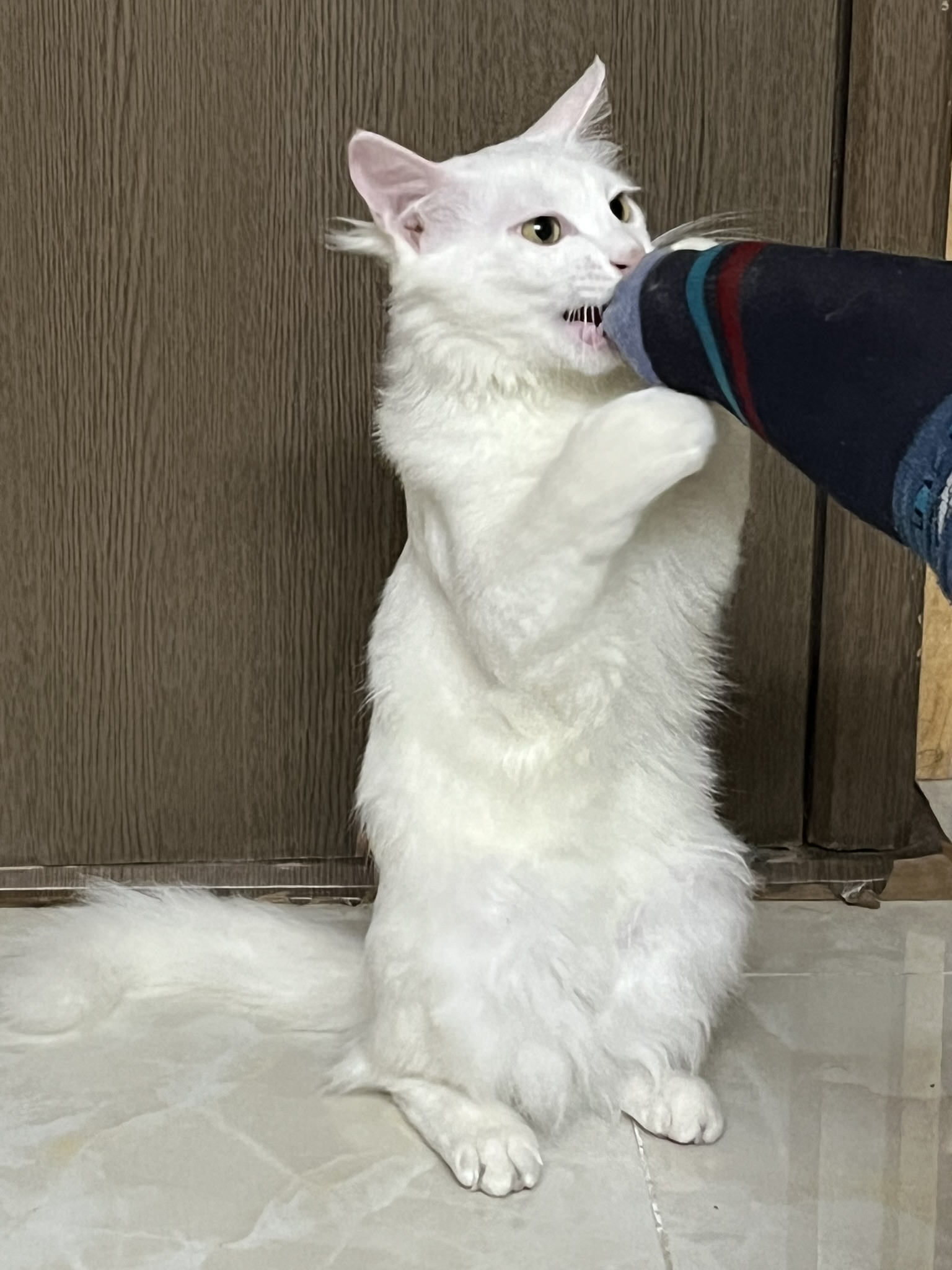
Keep laundry off the floor, especially socks and other small fabric items that a pet may chew or swallow.
Check under the bed
Look for:
- Loose medication.
- Batteries.
- Small toys.
- Sharp objects.
- Food wrappers.
- Cords.
- Spaces where the pet could become trapped.
If the area cannot be made safe, block access until you can supervise the pet reliably.
How to Pet-Proof the Bathroom
Bathrooms contain medication, personal-care products, chemicals, water, and small objects.
Take these precautions:
- Keep the toilet lid closed.
- Store medication and supplements in secure cabinets.
- Put razors, dental floss, cotton swabs, and small items away.
- Keep cleaning products out of reach.
- Empty trash cans regularly or use a secure lid.
- Do not leave filled tubs or sinks unattended.
- Keep electrical appliances unplugged and stored safely.
- Make sure the pet cannot open cabinets containing chemicals.
Products labeled “natural” are not automatically safe for pets. Use every cleaner and personal-care product according to its instructions.
How to Pet-Proof the Laundry Room
Laundry rooms combine appliances, detergents, small clothing items, and narrow hiding spaces.
Before operating a washer or dryer:
- Check inside the appliance.
- Check behind and underneath it where possible.
- Close appliance doors when not in use.
- Keep laundry products securely stored.
- Pick up detergent or product spills immediately.
- Keep dryer sheets and laundry pods out of reach.
- Do not leave piles of clothing on the floor.
Cats and small dogs may enter open appliances or hide inside laundry piles. Make checking part of your routine rather than relying on memory.
How to Pet-Proof a Home Office
Home offices may contain more pet hazards than expected, especially when cables and small equipment are concentrated in one area.
Secure:
- Computer and monitor cables.
- Charging cords.
- Power strips.
- Batteries.
- Printer supplies.
- Paper clips.
- Staples.
- Pushpins.
- Rubber bands.
- Headphones.
- Small electronic accessories.
- Shredded paper and packaging.
Keep drinks away from electrical equipment and prevent the pet from climbing behind monitors or computers.
If your pet stays in the office while you work, provide a safe bed or resting mat away from chair wheels, cables, and equipment.
How to Pet-Proof Stairs, Windows, Doors, and Balconies
Stairs
Young, elderly, injured, or mobility-limited animals may need restricted access to stairs.
Use a secure gate when appropriate, but make sure:
- The pet cannot squeeze through the openings.
- The gate is installed according to its instructions.
- The pet cannot jump or climb over it.
- The gate does not create an entanglement risk.
Windows
Check that screens are secure and undamaged.
An insect screen should not be assumed to restrain a determined pet unless it is designed and installed for that purpose. Keep windows closed or safely restricted when you cannot supervise the animal.
Move furniture if it gives the pet unsafe access to an open window.
Exterior doors
Reduce the chance of escape by:
- Checking that doors latch completely.
- Asking household members to look for the pet before opening a door.
- Using a gate or secondary barrier near busy entrances.
- Keeping identification current.
- Placing leashes and carriers where they are easy to reach.
- Repairing loose screens or damaged door frames.
Be particularly cautious during deliveries, parties, maintenance visits, and household moves.
Balconies
Do not allow unsupervised access to a balcony unless it has been professionally evaluated and made secure for that animal.
Check:
- Spaces between railings.
- Gaps near the floor.
- Furniture that can be climbed.
- Loose screens or barriers.
- Hanging cords.
- Plants and chemicals.
- Access to neighboring balconies or ledges.
A lightweight decorative screen may create the appearance of a barrier without safely containing a pet.
How to Pet-Proof the Garage and Storage Areas
Garages, sheds, basements, and storage rooms may contain tools, automotive products, pesticides, fertilizers, paint, sharp objects, and heavy equipment.
Store these items in closed, secure cabinets or areas the pet cannot enter.
Check for:
- Automotive fluids.
- Fuel.
- Paint and solvents.
- Pest-control products.
- Fertilizers.
- Lawn and garden chemicals.
- Sharp tools.
- Fishing equipment.
- Nails and screws.
- Heavy objects that could fall.
- Traps or bait products.
- Open containers.
- Spills on the floor.
Clean spills promptly and keep the pet away until the area has been made safe.
Check vehicles, storage boxes, and enclosed spaces before closing them. Cats and small animals may enter warm, dark, or quiet areas without being noticed.
How to Pet-Proof Your Yard
A fenced yard is not automatically a pet-safe yard.
Walk the entire boundary and check:
- Gaps beneath fences.
- Loose boards.
- Damaged wire.
- Gates that do not latch.
- Objects placed close enough to help a pet climb.
- Sharp edges.
- Unsafe plants.
- Lawn chemicals.
- Standing water.
- Garden tools.
- Compost.
- Trash.
- Access to pools, ponds, or other water features.
Supervise a new pet outdoors until you understand whether it digs, climbs, jumps, squeezes through gaps, chases wildlife, or searches for food.
Outdoor risks and local wildlife vary by region. Ask your veterinarian about relevant parasites, plants, animals, and environmental hazards in your area.
Choose Toys With Safety in Mind
A toy is not automatically safe because it is sold for pets.
Consider:
- The pet’s species.
- Body and mouth size.
- Chewing strength.
- Play style.
- Whether pieces can break off.
- Whether strings, stuffing, squeakers, or batteries are accessible.
- Whether the toy requires supervision.
Inspect toys regularly and remove them if they become damaged.
String, ribbon, yarn, thread, and similar materials should be stored after supervised play, particularly in homes with cats. Do not leave them loose where a pet can swallow or become tangled in them.
Rotate a small number of suitable toys instead of leaving every toy available at once. This makes it easier to notice damage and learn which types of toys your pet uses safely.
Clean Pet Supplies Safely
Bowls, toys, leashes, crates, bedding, and other pet items can carry dirt and germs.
The CDC recommends cleaning pet supplies regularly and following the manufacturer’s instructions when available. It also distinguishes between cleaning, which removes dirt and germs, and disinfecting, which uses chemicals to kill germs on surfaces.
Practical precautions include:
- Follow the care label on bowls, bedding, toys, crates, and carriers.
- Wash food and water bowls regularly.
- Replace items that cannot be cleaned and have become dirty or damaged.
- Keep pets away while disinfectants are wet or being applied.
- Allow products and surfaces to dry as instructed.
- Store cleaners out of reach.
- Do not mix bleach with ammonia or other cleaners.
- Use a separate cleaning brush or sponge for pet items when appropriate.
- Clean the sink or surrounding area after washing contaminated pet supplies.
The CDC notes that some disinfectants may be hazardous while wet but safe after drying when used according to the label. Always follow the specific product directions rather than relying on a generic “pet-safe” claim.
Do a Final Safety Check Before Leaving Your Pet Alone
Before leaving a new pet unsupervised, confirm that:
- Doors and windows are secure.
- Food and trash are inaccessible.
- Medication and chemicals are stored.
- Electrical cords are protected.
- Small objects have been removed.
- Unsafe rooms are closed or gated.
- The pet has fresh water.
- The temperature is appropriate.
- The pet cannot access an active appliance, fireplace, or heater.
- Toys left with the pet are suitable for unsupervised use.
- The pet cannot reach plants, strings, plastic bags, or fragile objects.
- The pet has a comfortable place to rest.
Start with short, controlled periods when appropriate. A pet camera may help you observe behavior, but it does not replace a safe environment or the ability to respond when something goes wrong.
What to Do If Your Pet May Have Swallowed Something Harmful
If you suspect poisoning or ingestion:
- Move the pet away from the substance.
- Prevent other animals from entering the area.
- Keep the packaging, label, plant, or remaining material if it is safe to do so.
- Note what may have been consumed.
- Contact your veterinarian, an emergency veterinary clinic, or an animal poison-control service.
- Follow professional instructions.
- Do not induce vomiting unless specifically instructed by a veterinarian or poison-control professional.
- Do not give food, medication, milk, oil, salt, or another home remedy unless instructed.
In the United States, the ASPCA Animal Poison Control Center can be reached at (888) 426-4435. A consultation fee may apply.
If the pet has difficulty breathing, collapses, experiences a seizure, has severe bleeding, or shows another life-threatening sign, seek emergency veterinary care immediately.
Readers outside the United States should identify the appropriate animal poison and emergency veterinary services for their country before an emergency occurs.
Room-by-Room Pet-Proofing Checklist
Kitchen
- Store human food securely.
- Use a pet-resistant trash can.
- Lock away cleaning products.
- Keep sharp objects away from edges.
- Check appliances before closing or operating them.
- Block access to hot surfaces and open flames.
Living Room
- Secure electrical cords.
- Remove small objects.
- Stabilize furniture and decorations.
- Check reclining and folding furniture.
- Protect fireplaces and heaters.
- Remove or relocate toxic plants.
Bedroom
- Store medication and supplements securely.
- Put away jewelry, hair ties, and personal items.
- Keep laundry off the floor.
- Secure charging cables.
- Check underneath furniture.
Bathroom
- Close the toilet lid.
- Lock away medication and cleaners.
- Secure razors and small personal-care items.
- Use a trash can with a lid.
- Unplug and store electrical appliances.
Laundry Room
- Close washer and dryer doors.
- Check appliances before use.
- Secure detergent and laundry products.
- Pick up small clothing items.
- Clean spills promptly.
Home Office
- Protect cables and power strips.
- Store batteries and office supplies.
- Remove staples, paper clips, and rubber bands.
- Keep pets away from chair wheels and equipment.
- Provide a separate resting area.
Yard and Garage
- Inspect fences and gates.
- Store tools and chemicals.
- Clean automotive or chemical spills.
- Check plants for toxicity.
- Remove sharp objects and standing water.
- Supervise the pet outdoors.
Frequently Asked Questions
When should I pet-proof my home?
Pet-proof the home before your new pet arrives. Review it again as the animal grows, gains access to additional rooms, develops new habits, or experiences changes in mobility or health.
Is pet-proofing different for dogs and cats?
Yes. Dogs are often more likely to investigate items at floor or counter level, while cats may climb, jump, enter small spaces, and reach high shelves or windows. However, individual behavior matters more than assumptions about the species.
Is a baby gate enough to keep a pet out of a room?
It depends on the gate and the animal. Some pets can jump, climb, push through, squeeze between openings, or knock over an improperly installed gate. Choose a barrier appropriate for the pet and install it according to the manufacturer’s instructions.
Are pet-safe cleaners completely harmless?
“Pet-safe” does not mean that a product can be swallowed, walked through, or used incorrectly. Read the label, use the product as directed, keep pets away during cleaning, and allow surfaces to dry as instructed.
Can I keep toxic plants if they are placed on a high shelf?
A high shelf may not be enough, especially for cats or pets that climb furniture. Leaves, pollen, flowers, or soil may also fall to the floor. Removing unsafe plants from the home is generally more reliable than depending on placement alone.
Should I close every room to a new pet?
Not necessarily, but limiting access at first can make supervision and adjustment easier. Expand access gradually after you understand the pet’s behavior and have checked each area for risks.
Does training replace pet-proofing?
No. Training can reduce unsafe behavior, but it cannot eliminate curiosity, fear, boredom, accidents, or access to a tempting item. Use training, supervision, physical barriers, and safe storage together.
Final Thoughts
A pet-proof home does not need to be empty or uncomfortable. It needs to be intentional.
Start with the rooms your pet will use first. Secure food, medication, chemicals, cords, plants, small objects, windows, doors, and trash. Then observe how your pet interacts with the environment and adjust your precautions accordingly.
The most useful pet-proofing question is not, “Would my pet do that?”
It is, “What would happen if they did?”
Planning for that possibility can prevent a curious moment from becoming an emergency.
Editorial Sources
- ASPCA: People Foods to Avoid Feeding Your Pets
- ASPCA: Toxic and Non-Toxic Plants
- CDC: Cleaning and Disinfecting Pet Supplies
- CDC: Ways to Stay Healthy Around Animals